Heathfield Estate upholstery cleaning guide Isleworth
If you live on Heathfield Estate and your sofa, armchair, dining chairs, or ottoman are looking a bit tired, you are not alone. Upholstery gets more use than most people realise. It collects dust, body oils, crumbs, pet hair, accidental spills, and that faint lived-in smell that sneaks up on you over time. This Heathfield Estate upholstery cleaning guide Isleworth walks you through what really works, what to avoid, and how to keep fabrics fresher for longer without making a mess of them.
Whether you are trying to deal with a single wine mark, a patchy armrest, or a whole room that needs a proper refresh, the key is to treat upholstery carefully. Different fabrics behave differently, and a good result usually comes from a calm, methodical approach rather than an aggressive scrub. Let's get into the practical side of it.
Table of Contents
- Why Heathfield Estate upholstery cleaning guide Isleworth Matters
- How Heathfield Estate upholstery cleaning guide Isleworth Works
- Key Benefits and Practical Advantages
- Who This Is For and When It Makes Sense
- Step-by-Step Guidance
- Expert Tips for Better Results
- Common Mistakes to Avoid
- Tools, Resources and Recommendations
- Law, Compliance, Standards, or Best Practice
- Options, Methods, or Comparison Table
- Case Study or Real-World Example
- Practical Checklist
- Conclusion
- Frequently Asked Questions
Why Heathfield Estate upholstery cleaning guide Isleworth Matters
Upholstery is one of those household surfaces that quietly holds onto everything. You sit on it every day, but unlike hard flooring, it does not show its problems immediately. A fabric sofa might still look "fine" while actually carrying dust, allergens, deodorised spills, and worn-in grime in the fibres. On Heathfield Estate, where homes can be busy, compact, and well used, that build-up happens quicker than people expect.
There is also a practical value issue. Clean upholstery simply lasts longer. When grit, fine dust, and dried residue sit in the weave, they act a bit like sandpaper. Not dramatic in one day, but over time they soften fabric, dull colours, and reduce the overall finish of a room. To be fair, you usually notice it most when the light hits the armrest at 4 pm and suddenly the marks seem to shout at you.
Good upholstery cleaning also matters because different types of contamination need different handling. A fresh coffee spill is one thing. Greasy hand marks, pet odour, ink transfer, and old food stains are another. If you treat them all the same way, you can lock in the damage. That is where a local, fabric-aware approach becomes useful.
If you are looking for a broader service overview as well, the site's dedicated upholstery cleaning service gives a useful sense of the kind of professional treatment commonly used for sofas, chairs, and other fabric items. For households with a mix of floor and furniture care needs, the related sofa cleaning and stain removal pages are also worth understanding alongside this guide.
How Heathfield Estate upholstery cleaning guide Isleworth Works
At a practical level, upholstery cleaning works by loosening soil from the fabric, lifting it out, and then removing as much moisture and residue as possible without harming the textile. That sounds simple, but the real skill lies in matching the method to the material. Cotton blends, synthetics, velvet, wool mixes, and leather-look finishes all behave differently. One wrong move and you can leave tide marks, distortion, or a rough patch that catches the eye every time you walk past.
Most upholstery cleaning follows a few core stages. First comes inspection. That means checking the fabric type, colourfastness, wear level, and any existing damage. After that comes dry soil removal. This is the bit people skip at home, and it matters more than you think. Loose dirt should be removed before moisture touches the material, otherwise you can make a sort of muddy paste in the fibres. Not ideal.
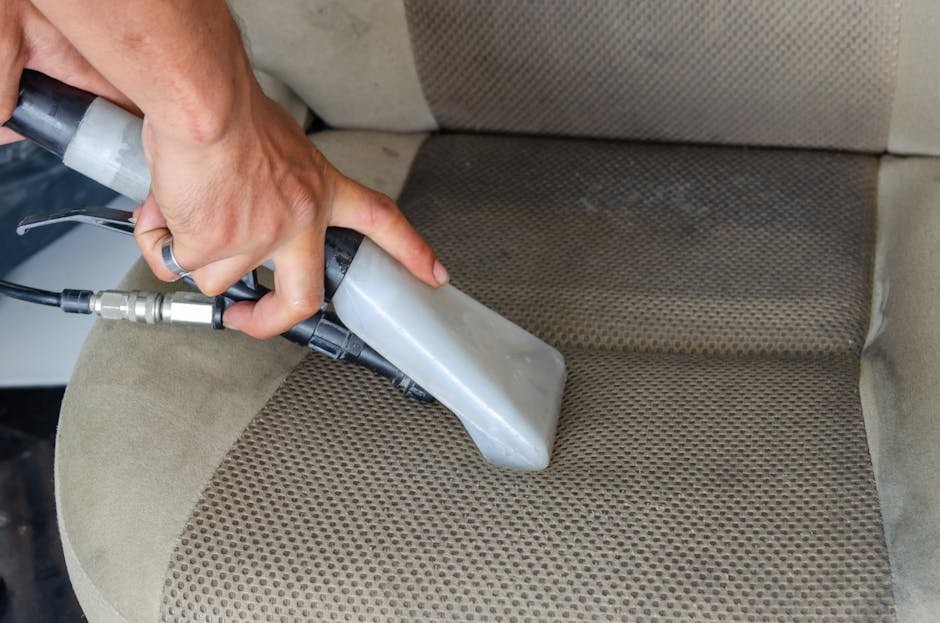
Then there is targeted stain treatment. A careful cleaner will usually work from the least aggressive method upward, using fabric-safe products and controlled application. For deeper cleaning, extraction or low-moisture techniques are commonly used. The aim is not to soak the fabric but to clean it evenly and reduce drying time. A final groom or brush may be used to restore texture, especially on pile fabrics.
Professional methods are often chosen because they reduce risk on delicate items. If your upholstery sits alongside curtains, rugs, or a mattress that also needs attention, it can make sense to plan the whole room together. You can see how those services fit into a wider home-cleaning routine through curtain cleaning, rug cleaning, and mattress cleaning.
Key Benefits and Practical Advantages
Upholstery cleaning is not just about appearance, although that is the obvious win. The less visible benefits often matter more over time. Cleaner fabric means less trapped dust, less lingering odour, and a more comfortable place to sit. In a family home, that can make the whole room feel lighter. You know the feeling: the sofa looks fresher, and suddenly the whole lounge does too.
There is also a hygiene angle. Upholstered furniture can hold onto crumbs, moisture, pet dander, and everyday residue in a way hard surfaces simply do not. Regular cleaning helps reduce the "used" feel that builds up in high-traffic seating. It also helps if you have guests coming, or if you just want your living space to feel properly cared for rather than patched over.
Another advantage is financial, in a sensible rather than flashy way. Cleaning may not be as dramatic as replacing furniture, but it can help delay that replacement. A well-maintained sofa or chair often keeps its shape and finish for longer. That is especially relevant for quality pieces, antique frames, or items that would be costly to replace.
Expert summary: The best upholstery cleaning results usually come from the right method, not the strongest product. Fabric type, stain age, and drying control matter more than brute force.
There is a comfort benefit too. Clean upholstery smells cleaner, feels less sticky in warm weather, and tends to look better in natural daylight. On a grey Isleworth afternoon, that little lift can make a surprising difference.
Who This Is For and When It Makes Sense
This guide is useful if you live on Heathfield Estate and any of the following sound familiar: your sofa has dark armrests, your dining chairs are showing ring marks, a pet has left a smell behind, or you have tried to spot clean an area and it has ended up looking larger than before. That last one happens more than people admit.
It also makes sense if you have children, pets, or frequent visitors. High-use homes need more frequent maintenance because the fabric receives more wear, more spills, and more friction from daily life. If your furniture is in a rental property, a shared household, or a home office setting, the standard of presentation matters even more. The same applies to landlords and small businesses that have waiting areas, reception seating, or fabric chairs.
It is worth thinking about professional upholstery cleaning when:
- a stain has sat for more than a day or two
- the fabric smells stale even after airing
- the cushions have visible traffic marks
- you are preparing a property for sale or new tenants
- the fabric is delicate or expensive
- DIY attempts have made the patch larger, lighter, or patchier
Truth be told, if you are hesitating because the item "isn't that dirty", it may already be due. Upholstery is sneaky like that.
Step-by-Step Guidance
If you want to handle upholstery properly, take it step by step. Rushing is usually what causes trouble.
- Identify the fabric first. Check the manufacturer's care label if it is visible. If you cannot find one, test very cautiously in a hidden area.
- Vacuum thoroughly. Use an upholstery attachment and work into seams, piping, under cushions, and around buttons. This removes grit before any wet cleaning.
- Inspect stains and wear patterns. Look for old spill marks, oily zones, pet areas, and any shading changes across the fabric.
- Test a small hidden patch. This matters a lot. Even a small colour response can tell you whether the fabric is safe to clean in a certain way.
- Apply the right treatment lightly. Use as little product as needed. Over-wetting is one of the main reasons upholstery ends up with tide marks.
- Work from the outside of the stain inward. This helps prevent spreading.
- Blot, do not scrub. Scrubbing frays fibres and can drive the stain deeper.
- Use controlled drying. Airflow is your friend. Open windows if appropriate and use gentle ventilation.
- Re-check once dry. Some stains only reveal themselves after the fabric dries. Annoying, yes, but normal.
If the item is particularly valuable or the fabric is sensitive, it is usually smarter to stop at the inspection stage and bring in a professional rather than "have a go" and hope for the best. Hope is not a cleaning method.
A simple home spot-clean routine
For minor fresh marks on suitable fabrics, a conservative routine often works best:
- lift loose debris first
- blot with a clean white cloth
- apply a tiny amount of appropriate cleaner to the cloth, not directly to the fabric
- work gently in short passes
- blot dry and leave to air
If the mark is greasy, coloured, or sticky, do not keep adding water. That is how a small problem becomes a large pale circle.
Expert Tips for Better Results
The biggest tip is simple: treat upholstery like fabric, not flooring. What works on a carpet often behaves differently on a sofa. A carpet can usually tolerate more aggressive agitation and extraction. Upholstery, especially on padding and shaped arms, needs more restraint. If you are unsure, err on the side of less moisture and more patience.
Another useful tip is to clean the whole contact area, not just the stain. If you clean one tiny patch in isolation, it can dry differently from the surrounding area and leave a halo. Blending the treatment slightly wider often gives a more even finish. A lot of good results come from that small extra step.
For pet households, deal with odour at the source rather than masking it. Pet smells often sit in the cushion filling or backing material, not only on the surface. That is why services such as pet stain odour removal can be especially useful when a regular clean is not enough.
One more practical point: rotate cushions and swap their positions where possible. It sounds basic, but it helps prevent uneven wear. In winter especially, when windows stay shut and rooms stay warmer, upholstery can hold odours more noticeably. A little airflow goes a long way.
Common Mistakes to Avoid
Most upholstery damage comes from well-meant mistakes. The most common one is using too much liquid. Wet fabric dries slowly, and slow drying increases the chance of marks, odour, or fibre distortion. Another frequent problem is choosing a product based on convenience rather than compatibility. If a cleaner is not suitable for the fabric, even a small amount can cause discolouration.
Here are the mistakes that tend to cause the most regret:
- scrubbing hard instead of blotting
- soaking the fabric and the cushion interior
- ignoring the care label
- using coloured cloths that may transfer dye
- mixing products without knowing how they react
- trying to speed up drying with direct heat
- treating all stains the same
A slightly cheeky but true one: if your first instinct is to attack a stain like it owes you money, pause. The fabric will not thank you.
Also, do not keep reworking the same spot again and again. If a stain is not shifting, it may need a different treatment or professional assessment. Repeated rubbing often makes the surrounding area look worn, which is a worse result than the original mark.
Tools, Resources and Recommendations
You do not need a van full of equipment to keep upholstery in decent shape, but a few sensible tools help. A vacuum with an upholstery attachment is essential. A soft brush is useful for lifting dust from seams. Clean white microfibre cloths are helpful because you can see what they are picking up, and they are less likely to transfer colour.
For mild maintenance, a fabric-safe cleaner selected for upholstery can be useful, but only when used sparingly and according to the product instructions. A spray bottle is not always the answer. Sometimes a damp cloth is better because it gives you more control. Simple, but effective.
For deeper or more awkward jobs, professional support is often the better option. If you are already considering broader soft-furnishing care, related services like carpet cleaning and steam carpet cleaning can fit into the same household refresh plan, especially when dust and traffic dirt are affecting the whole room rather than just one chair.
It can also help to keep a small maintenance kit at home:
- white absorbent cloths
- an upholstery attachment for vacuuming
- a soft brush
- a fabric-safe spot cleaner for suitable materials
- paper towels for initial spill response
If you prefer a professional standard of finish, you may want to check the company's pricing and quotes information before booking. And if peace of mind matters, the site's insurance and safety page and health and safety policy are sensible places to look before inviting anyone into your home.
Law, Compliance, Standards, or Best Practice
For domestic upholstery cleaning, the main thing is not legal complexity but careful best practice. In the UK, cleaners working in homes are generally expected to act responsibly with chemicals, use equipment safely, and respect fabric care instructions. If a product label or manufacturer tag says a fabric requires specialist treatment only, that guidance should be taken seriously.
There are a few practical standards worth keeping in mind, even if they are not always written down in big bold letters. Use products as directed. Ventilate rooms where appropriate. Keep electrical equipment away from water. Protect floors and nearby surfaces. And if the item is expensive, antique, or fragile, it is usually wise to treat it as a specialist job rather than a routine one.
For customers, trust is part of compliance too. A professional cleaner should be able to explain the cleaning process, the expected drying time, and any limitations without overpromising. If something cannot be fully removed, it is better to hear that upfront than to be sold a miracle. Those do not exist. Sadly.
If you are comparing providers, the company's terms and conditions, payment and security, and privacy policy pages are sensible trust signals to review. They do not clean the sofa for you, obviously, but they do show how the business handles the practical side.
Options, Methods, or Comparison Table
Different upholstery situations call for different methods. The right choice depends on fabric, soil level, sensitivity, and how quickly the item needs to be ready again. Here is a simple comparison to help you decide.
| Method | Best for | Pros | Watch-outs |
|---|---|---|---|
| Vacuum-only maintenance | Light dust and routine upkeep | Quick, safe, low-risk | Will not remove stains or odours |
| Careful DIY spot cleaning | Small fresh marks on suitable fabric | Convenient, inexpensive | Easy to over-wet or spread the stain |
| Low-moisture professional cleaning | Most everyday upholstery | Balanced clean with reduced drying time | May not resolve severe staining alone |
| Specialist stain or odour treatment | Pet issues, set-in marks, persistent smells | More targeted and effective | Needs correct diagnosis first |
In many Heathfield Estate homes, the best answer is not one method alone but a sensible mix: regular vacuuming, prompt response to spills, and a professional deep clean when the furniture starts looking dull or carrying odours.
Case Study or Real-World Example
Here is a very typical scenario. A family in Isleworth has a two-seater sofa in a busy lounge. Over time, the armrests darken, the seat cushions lose brightness, and there is a faint smell from snacks, shoes, and day-to-day use. Nothing dramatic. Just enough to make the room feel a bit off.
They start by vacuuming more carefully than before, including under the cushions and along the seams. That helps, but it only lifts the loose dust. Next, they test a tiny hidden area with a fabric-safe cleaner and find the sofa responds well, but one small stain on the seat does not budge. Instead of rubbing it repeatedly, they stop there and arrange a professional upholstery clean. The cleaner inspects the fabric, treats the stain separately, uses controlled moisture, and leaves the sofa to dry with good airflow. By the next day, the colour looks more even and the room feels lighter.
Nothing magical. Just sensible steps and a bit of patience.
That kind of outcome is common because upholstery often improves most when the cleaning is deliberate, not rushed. If you are managing several soft furnishings at once, you may also want to think about curtain cleaning so the whole space feels refreshed rather than half-done.
Practical Checklist
Before you clean upholstery on Heathfield Estate, run through this checklist. It saves a lot of faff later.
- Check the care label, if available
- Vacuum the entire item, including seams and cushions
- Identify fresh spills, old stains, and odour sources
- Test any product on a hidden patch first
- Use minimal moisture
- Blot rather than scrub
- Let the fabric dry fully before use
- Reassess once dry for any remaining marks
- Book professional help if the fabric is delicate or the stain is stubborn
- Keep a routine cleaning schedule rather than waiting for visible dirt
Quick takeaway: the cleaner the fabric, the less effort each future clean usually takes. That is the nice part. Small maintenance now saves larger repairs later.
Conclusion
Upholstery cleaning on Heathfield Estate is really about balance: enough care to remove the dirt, but not so much force that you damage the fabric. If you take time to identify the material, vacuum properly, treat stains lightly, and allow enough drying time, you can usually keep sofas and chairs looking good for much longer. And if the job is beyond a careful home clean, that is not a failure. It is just the sensible point to hand it over.
For deeper refreshes, awkward stains, or items you would rather not risk, a professional service can save time and reduce the chance of expensive mistakes. If you are ready to compare options, start with the specialist upholstery pages, review the practical trust information, and choose the approach that suits your home best. Nice and steady wins here.
Get a free quote today and see how much you can save.
Sometimes the difference between "tired" and "fresh" is smaller than you think, and that little lift can make home feel like home again.
Frequently Asked Questions
How often should upholstery be cleaned in a busy home?
For a busy household, light maintenance should happen regularly and a deeper clean is usually sensible when the fabric starts to look dull, feel tacky, or hold odours. High-use sofas often need attention more often than spare-room chairs.
Can I use the same method on every fabric?
No. Different fabrics react differently to moisture, agitation, and cleaning products. Always check the care label if you can, and test in a hidden area before doing any larger clean.
What should I do first if a drink spills on the sofa?
Blot it immediately with a clean white cloth. Do not rub. If the spill is coloured or sticky, treat it gently and avoid soaking the fabric.
Why does my sofa look clean but still smell stale?
Odour can sit deeper in the padding, seams, or backing material rather than only on the surface. Vacuuming helps, but persistent smells often need more targeted treatment.
Is steam cleaning safe for upholstery?
Sometimes, but not always. The method depends on the fabric type and construction. Upholstery should not be treated like carpet, so it is best to confirm suitability before using any heat-based method.
How can I avoid tide marks after spot cleaning?
Use very little liquid, clean slightly beyond the visible stain, and dry the area evenly. Tide marks often appear when one spot dries differently from the surrounding fabric.
What stains are hardest to remove from upholstery?
Grease, old food stains, dye transfer, pet-related marks, and some drink spills can be especially stubborn. The older the stain, the more likely it is to need specialist treatment.
Should I clean my upholstery before moving house or renting out a property?
Yes, that is often a smart move. Fresh upholstery can improve presentation quickly and make the whole property feel better maintained. It is a small detail that people notice.
Can I clean upholstery myself, or should I always book a professional?
Light maintenance and fresh minor marks can sometimes be handled at home, but delicate fabrics, large stains, and persistent odours are usually better left to a professional. It saves risk, and often time too.
How long does upholstery take to dry?
Drying time depends on the fabric, cleaning method, room airflow, and how much moisture was used. Controlled, low-moisture cleaning generally dries faster than heavy wet cleaning.
What is the biggest mistake people make with upholstery cleaning?
Over-wetting the fabric is probably the most common one. People think more liquid means more cleaning power, but on upholstery it often means longer drying, more marks, and more chance of damage.
How do I choose a good upholstery cleaning service in Isleworth?
Look for clear explanations, sensible fabric care, appropriate safety information, transparent pricing, and a careful approach to stains and drying. Trustworthiness matters just as much as equipment.